
Haematology is the medical specialty that focuses on the study, diagnosis, treatment, and prevention of blood-related disorders. It encompasses the study of blood components, the bone marrow, and the lymphatic system.
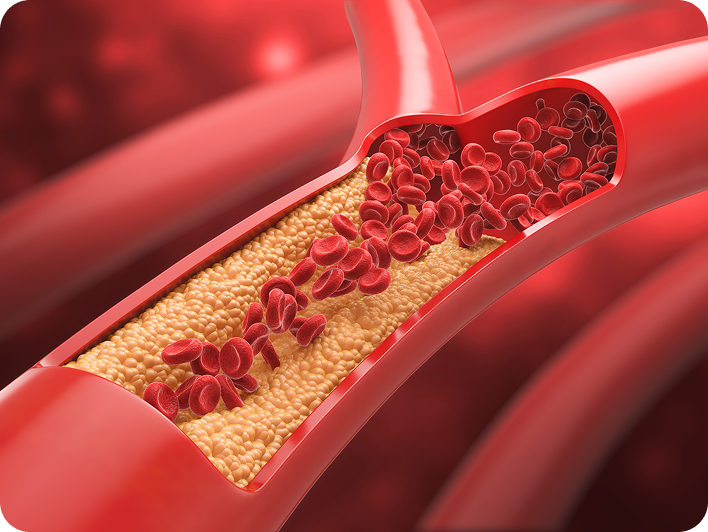
Blood consists of four main components: red blood cells (RBCs), responsible for oxygen transport; white blood cells (WBCs), which play a key role in immunity; platelets, essential for blood clotting; and plasma, the liquid medium carrying proteins, nutrients, and waste products.
Haematological disorders can be categorized into: (1) Anemias, such as iron-deficiency anemia, megaloblastic anemia (B12 or folate deficiency), and hemolytic anemias (e.g., sickle cell disease, thalassemia); (2) Haematologic malignancies, including leukemia, lymphoma, and multiple myeloma; (3) Bleeding and clotting disorders, like hemophilia, von Willebrand disease, and thrombophilia; and (4) Bone marrow disorders, such as aplastic anemia, myelodysplastic syndromes (MDS), and myeloproliferative neoplasms (MPNs).
Diagnosis of haematological conditions relies on laboratory tests, including complete blood count (CBC), bone marrow biopsy, blood smear microscopy, coagulation tests (PT, APTT, INR), flow cytometry, and genetic testing.
Treatment options depend on the condition and may include iron and vitamin supplementation, blood transfusions, chemotherapy, bone marrow transplantation, targeted therapy, anticoagulants, and haematopoietic growth factors (e.g., erythropoietin, thrombopoietin receptor agonists).
Emerging trends in haematology include gene therapy for sickle cell anemia and hemophilia, CAR-T cell therapy for blood cancers, CRISPR gene editing for inherited disorders, and biosimilars improving treatment accessibility. These advancements continue to enhance patient outcomes in haematologic care.
ITP is a rare but serious disorder characterized by abnormally low levels of platelets, a condition known as thrombocytopenia. Platelets are crucial for preventing bleeding by forming clots when blood vessels are injured. In individuals with ITP, their platelet count drops significantly because the immune system incorrectly identifies platelets as harmful and destroys them.
The immune system produces antibodies that bind to the surface of platelets, signaling the spleen to eliminate these “tagged” platelets. Normally, platelets circulate for about 7 to 10 days, but in ITP, they are destroyed much faster. This leads to a shortage of platelets in the blood, reducing the body’s ability to stop bleeding effectively.
Even minor bumps can cause large bruises (purpura).
Minor cuts or scrapes may bleed excessively.
Small, red or purple dots on the skin, often seen on the legs.
Spontaneous bleeding in mucous membranes.
Women with ITP may experience unusually heavy menstruation.
In severe cases, the body may feel fatigued due to low blood count or prolonged bleeding.
ITP is usually diagnosed by ruling out other causes of thrombocytopenia. Common diagnostic tests include:
To measure platelet levels.
In some cases, to ensure the bone marrow is producing enough platelets.
To examine the appearance of blood cells under a microscope.
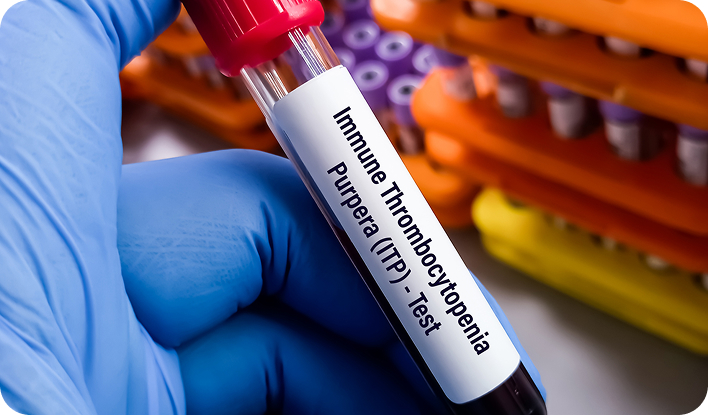
Treatment for ITP depends on the severity of the condition and the individual patient. Many people with mild cases don’t require treatment, while others may need interventions to boost their platelet count. Common treatment options include:
First-line treatment that helps suppress the immune system and prevent platelet destruction.
Administered in emergency situations or before surgery to raise platelet counts quickly.
These stimulate platelet production in the bone marrow. Drugs like romiplostim and eltrombopag are commonly used.
A monoclonal antibody used in cases where corticosteroids are ineffective. It targets specific immune cells responsible for producing the antibodies against platelets.
The removal of the spleen, which is responsible for platelet destruction, is an option for chronic cases resistant to drug therapy.
ITP can be either acute (typically in children) or chronic (mostly in adults). While many children recover spontaneously, chronic ITP in adults may require long-term treatment and careful monitoring. Fortunately, advances in treatment, including newer medications and therapeutic approaches, have improved the outlook for patients with ITP. Most patients can manage the condition with treatment and lead relatively normal lives.