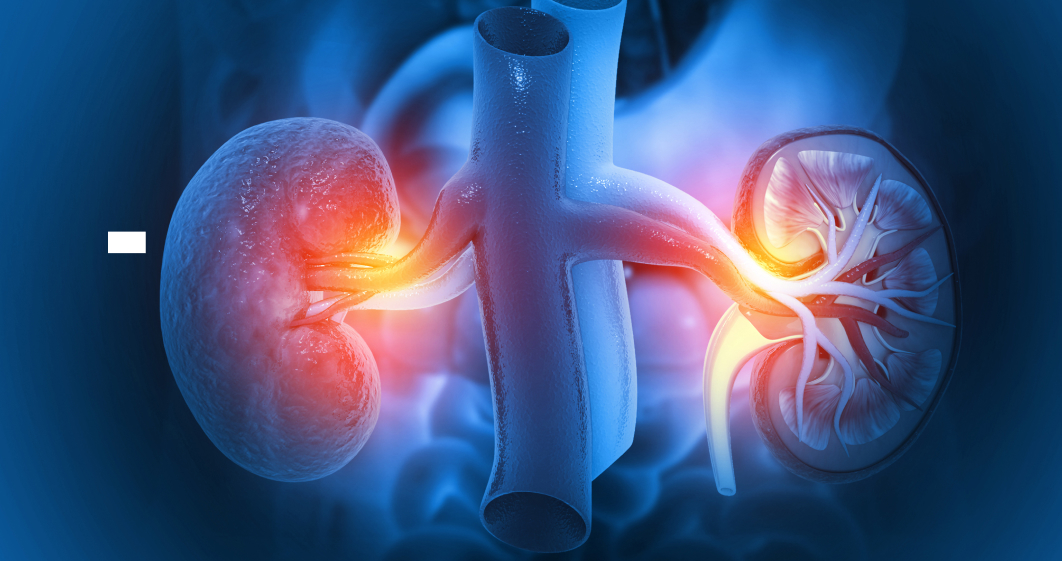
Anemia in Chronic Kidney Disease (CKD) is a common and significant complication that arises due to the kidneys’ impaired ability to produce erythropoietin, a hormone crucial for red blood cell production. As CKD progresses, anemia becomes more prevalent and can exacerbate other health issues, including cardiovascular problems and reduced quality of life.
Anemic Condition in CKD Management
Anemia in CKD arises from reduced erythropoietin, iron deficiency, or inflammation. Management includes iron supplementation, erythropoiesis-stimulating agents, and regular monitoring to improve quality of life and reduce complications.
Pathophysiology
Erythropoietin Deficiency
The primary cause of anemia in CKD is decreased production of erythropoietin by damaged kidneys.
Iron Deficiency
CKD often leads to iron deficiency due to reduced absorption and increased blood loss.
Chronic Inflammation
Inflammatory cytokines associated with CKD can interfere with erythropoiesis and iron metabolism.
Treatment Approaches
Erythropoiesis-Stimulating Agents (ESAs)
Drugs like epoetin alfa and darbepoetin alfa stimulate red blood cell production. Dosage needs careful adjustment based on hemoglobin levels.
Iron Supplementation
Oral or intravenous iron supplements are often required to address iron deficiency. IV iron is preferred in more severe cases or when oral iron is not tolerated.
Management of Underlying Conditions
Addressing conditions such as chronic inflammation, hyperparathyroidism, and bleeding risks that may contribute to anemia.
Burden of Anemia in CKD
Increased Morbidity
Anemia is associated with worsened cardiovascular outcomes, increased hospitalizations, and reduced exercise capacity.
Quality of Life
Patients with anemia often experience fatigue, weakness, and reduced ability to perform daily activities.
Economic Impact
The management of anemia, including medications, iron supplements, and monitoring, contributes to the overall cost of CKD care.
Reference Source
National Kidney Foundation. (2020). KDOQI Clinical Practice Guideline for Anemia in Chronic Kidney Disease: 2012 Update. Retrieved from NKF KDOQI Guidelines