
Immunology

Immunology Overview

Immunological conditions happen when the immune system, which is supposed to protect the body from infections and diseases, mistakenly attacks healthy cells and tissues. Normally, the immune system can tell the difference between harmful germs, like viruses and bacteria, and the body’s own cells. But in autoimmune diseases, this system gets confused and starts attacking the body instead, leading to inflammation and damage. Some examples of autoimmune diseases include lupus, rheumatoid arthritis, and multiple sclerosis, which can affect different parts of the body.
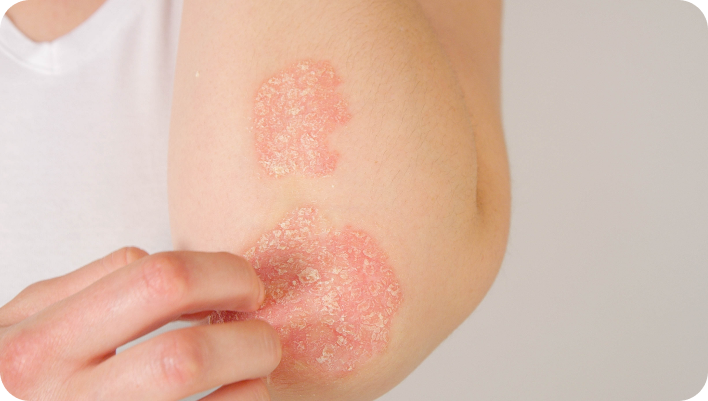

Rheumatoid arthritis (RA) and psoriasis are both chronic autoimmune conditions that affect various parts of the body. RA primarily targets the joints, while psoriasis mainly impacts the skin. Both conditions involve the immune system attacking the body’s own tissues, leading to inflammation and other symptoms.

Rheumatoid Arthritis (RA)

Pathophysiology

RA is characterized by the immune system attacking the synovium—the lining of the membranes that surround the joints. This autoimmune response leads to inflammation, causing the synovium to thicken and potentially resulting in the destruction of cartilage and bone within the joint. Over time, this process can lead to joint deformity and loss of function.

(source: MAYOCLINIC.ORG)

Symptoms

Common symptoms of RA include warm, swollen, and painful joints, particularly affecting the wrists and hands symmetrically. Stiffness, especially in the morning or after periods of inactivity, is also typical. Beyond joint issues, RA can cause fatigue, fever, and loss of appetite.

(source: MAYOCLINIC.ORG)

Diagnosis

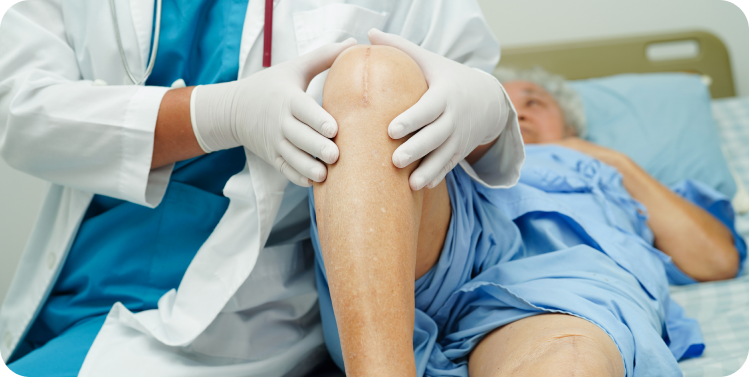
Diagnosing RA involves a combination of patient history, physical examinations, imaging tests like X-rays or MRIs, and laboratory tests. Blood tests may reveal elevated levels of inflammatory markers such as erythrocyte sedimentation rate (ESR) and C-reactive protein (CRP), as well as the presence of rheumatoid factor (RF) or anti-cyclic citrullinated peptide (anti-CCP) antibodies.

(source: CDC.GOV)

Treatment

Early and aggressive treatment is crucial to manage RA effectively. Treatment strategies often include disease-modifying antirheumatic drugs (DMARDs) to slow disease progression, biologic agents targeting specific components of the immune system, nonsteroidal anti-inflammatory drugs (NSAIDs) for pain relief, and corticosteroids to reduce inflammation. Physical therapy and lifestyle modifications, such as regular exercise and a balanced diet, can also be beneficial.

(source: CDC.GOV)
Prognosis

The course of RA varies among individuals. With early diagnosis and appropriate treatment, many people can manage their symptoms effectively and maintain a good quality of life. However, if left untreated, RA can lead to significant joint damage and disability. Regular monitoring and adjustments to treatment plans are essential to control disease activity.

(source: MAYOCLINIC.ORG)

Psoriasis

Pathophysiology

Psoriasis is an autoimmune skin disorder where the immune system accelerates the growth cycle of skin cells. This rapid turnover leads to the accumulation of skin cells on the surface, forming thick, scaly patches known as plaques. The exact cause is not fully understood, but genetic and environmental factors play significant roles.

(source: EN.WIKIPEDIA.ORG)

Symptoms

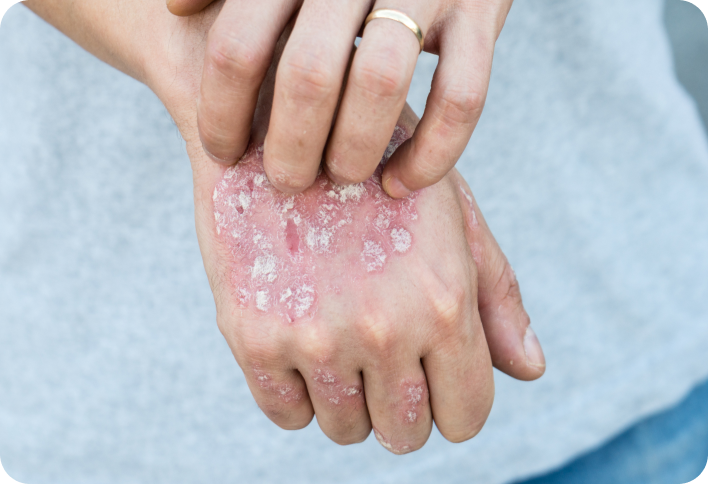
The most common form, plaque psoriasis, presents as raised, red patches covered with silvery-white scales, typically appearing on the elbows, knees, scalp, and lower back. Other symptoms can include itching, burning sensations, and cracked skin that may bleed. Psoriasis can also affect the nails, causing pitting, discoloration, and separation from the nail bed.

(source: EN.WIKIPEDIA.ORG)
Diagnosis

Diagnosis is primarily based on the appearance of the skin. A dermatologist may perform a skin examination and, in some cases, a biopsy to confirm the diagnosis and rule out other skin disorders.

(source: EN.WIKIPEDIA.ORG)

Treatment

Treatment options depend on the severity and extent of the disease. Topical treatments, such as corticosteroids and vitamin D analogs, are commonly used for mild to moderate cases. For more severe or widespread psoriasis, phototherapy or systemic treatments, including oral medications and biologics that modulate the immune system, may be prescribed. Lifestyle modifications, like stress management and moisturizing, can also help manage symptoms.

(source: EN.WIKIPEDIA.ORG)

Prognosis

Psoriasis is a chronic condition with periods of remission and flare-ups. While it can be managed effectively with treatment, it often requires lifelong management. Some individuals may develop psoriatic arthritis, which causes joint pain and swelling. Regular follow-ups with a healthcare provider are essential to monitor the condition and adjust treatments as needed.

(source: EN.WIKIPEDIA.ORG)

Both RA and psoriasis are complex autoimmune diseases that require comprehensive management strategies tailored to the individual. Early diagnosis and treatment are pivotal in controlling disease progression and maintaining quality of life.

Reference

  1. Faviconbestpractice.bmj.com
    Rheumatoid arthritis – Symptoms, diagnosis and treatment | BMJ Best …
    January 7, 2025 — Rheumatoid arthritis (RA) is a chronic, erosive arthritis that requires early and aggressive treatment.
  2. jptcp.com
    A SYSTEMATIC REVIEW OF TYPES, SYMPTOMS AND TREATMENT OF PSORIASIS
    December 11, 2024 — Psoriasis is a chronic, multisystem inflammatory disease with predominantly skin and joint involvement. It has a bimodal age of onset (16 to 22 and 57 to 60 years)2 and affects both sexes equally.
  3. Faviconmayoclinic.org
    Psoriasis – Symptoms and causes – Mayo Clinic
    May 17, 2024 — Pustular psoriasis. Pustular psoriasis, a rare type, causes clearly defined pus-filled blisters. It can occur in widespread patches or on small areas of the palms or soles. Erythrodermic psoriasis.
  4. Faviconmayoclinic.org
    Psoriasis – Diagnosis and treatment – Mayo Clinic
    May 17, 2024 — Psoriasis treatments aim to stop skin cells from growing so quickly and to remove scales. Options include creams and ointments (topical therapy), light therapy (phototherapy), and oral or injected med…
  5. Faviconverywellhealth.com
    Psoriasis: What It Is, Causes, Diagnosis & Treatment – Verywell Health
    March 15, 2024 — Tanja Ivanova / Getty Images. Psoriasis is an autoimmune skin disease. The underlying cause is a malfunctioning immune system that attacks healthy tissue.
  6. Favicondrugs.com
    Psoriasis Guide: Causes, Symptoms and Treatment Options – Drugs.com
    December 1, 2023 — Symptoms; Diagnosis; Prevention; Treatment; Prognosis; What is Psoriasis? Psoriasis is a chronic skin disorder that causes scaling and inflammation.
  7. merckmanuals.com
    Rheumatoid Arthritis (RA)
    September 10, 2023 — Rheumatoid Arthritis (RA) – Etiology, pathophysiology, symptoms, signs, diagnosis & prognosis from the Merck Manuals – Medical Professional Version.
  8. Faviconmayoclinic.org
    Rheumatoid arthritis – Diagnosis and treatment – Mayo Clinic
    January 25, 2023 — Diagnosis Rheumatoid arthritis can be difficult to diagnose in its early stages because the early signs and symptoms mimic those of many other diseases. There is no one blood test or physical finding…
  9. Faviconmayoclinic.org
    Rheumatoid arthritis – Symptoms and causes – Mayo Clinic
    January 25, 2023 — Rheumatoid arthritis is a chronic inflammatory disorder that can affect more than just your joints. In some people, the condition can damage a wide variety of body systems, including the skin, eyes, l…
  10. ajmc.com
    Epidemiology, Pathophysiology, and Diagnosis of Rheumatoid Arthritis: A …
    May 31, 2014 — Early local swelling and tenderness are associated with large-joint damage after 8 years of treatment to target in patients with recent-onset rheumatoid arthritis. J Rheumatol. 2013;40 (5):624-629.
  11. Faviconmy.clevelandclinic.org
    Rheumatoid Arthritis (RA): Symptoms, Stages & Treatment – Cleveland Clinic
    Rheumatoid arthritis (RA) is a chronic (ongoing) autoimmune disease that causes pain, swelling and stiffness in the lining of your joints (synovium). It most commonly affects the joints in your finger…
  12. Faviconmy.clevelandclinic.org
    Psoriasis: What It Is, Symptoms, Causes, Types & Treatment
    Several treatment options can relieve psoriasis symptoms. Common psoriasis treatments include: Steroid creams. Moisturizers for dry skin. Medication to slow skin cell production. Medicated lotions or…
  13. Faviconmy.clevelandclinic.org
    Plaque Psoriasis: What It Looks Like, Causes & Treatment – Cleveland Clinic
    Plaque psoriasis is an autoimmune disease that causes thick patches to develop on your skin or scalp. You may feel self-conscious, and it can be unpleasant if it itches or is painful. But it isn’t con…
  14. merckmanuals.com
    Rheumatoid Arthritis (RA) – The Merck Manuals
    Rheumatoid Arthritis (RA) – Learn about the causes, symptoms, diagnosis & treatment from the Merck Manuals – Medical Consumer Version.
  15. Faviconjamanetwork.com
    Pathophysiology, Clinical Presentation, and Treatment of Psoriasis: A …
    This narrative review summarizes current evidence regarding the pathogenesis, clinical presentation, diagnosis, and treatments of plaque psoriasis.
  16. Faviconarthritis.org
    Rheumatoid Arthritis: Symptoms, Diagnosis, and Treatment | Arthritis …
    Rheumatoid Arthritis: Causes, Symptoms, Treatments and More This inflammatory form of arthritis causes joint pain, swelling and damage. Learn more about RA and how to treat it.
  17. Faviconhopkinsarthritis.org
    Rheumatoid Arthritis: Symptoms, Diagnosis and Treatment
    Learn about rheumatoid arthritis including Information on the signs, symptoms and treatment of Rheumatoid Arthritis from the Johns Hopkins Arthritis Center.
  18. Faviconspineinfo.com
    Rheumatoid Arthritis: Definition, Causes, Symptoms, Diagnosis…
    Rheumatoid arthritis (RA) is a type of autoimmune disorder that causes inflammation in the joints and surrounding tissue. In people with RA, the immune system mistakenly attacks the tissues in the joi…
  19. msdmanuals.com
    Psoriasis – Dermatologic Disorders – MSD Manual Professional Edition
    Psoriasis – Etiology, pathophysiology, symptoms, signs, diagnosis & prognosis from the MSD Manuals – Medical Professional Version. … Possibly topical and/or systemic treatment after antibiotics. Pr…
  20. Faviconwebmd.com
    Psoriasis: Symptoms, Causes, and Treatment – WebMD
    Learn more about the types, symptoms, causes, and effective treatment options for psoriasis… Psoriasis Diagnosis… Psoriasis Prognosis.
  21. pathophys.org
    Rheumatoid arthritis – McMaster Pathophysiology Review
    In the past, treatment goals focused on reducing pain and joint symptoms
    with analgesics and NSAIDs; control of inflammation was a secondary goal. The current treatment strategy is to initiate aggress…
  22. niams.nih.gov
    Psoriasis Types, Symptoms & Causes | NIAMS – National Institute of…
    Symptoms of Psoriasis. Symptoms of psoriasis vary from person to person, but some common ones are: Patches of thick, red skin with silvery-white scales that itch or burn, typically on the elbows, knee…
  23. niams.nih.gov
    Psoriasis Basics: Overview, Symptoms, and Causes
    What is psoriasis? Psoriasis is a chronic (long-lasting) disease in which the immune system works too much, causing patches of skin to become scaly and inflamed.
  24. Faviconbrighamandwomens.org
    Rheumatoid Arthritis Overview – Brigham and Women’s Hospital
    Rheumatoid arthritis (RA) is an autoimmune disease that develops when certain cells of the immune…